Where the light is and how to look at it
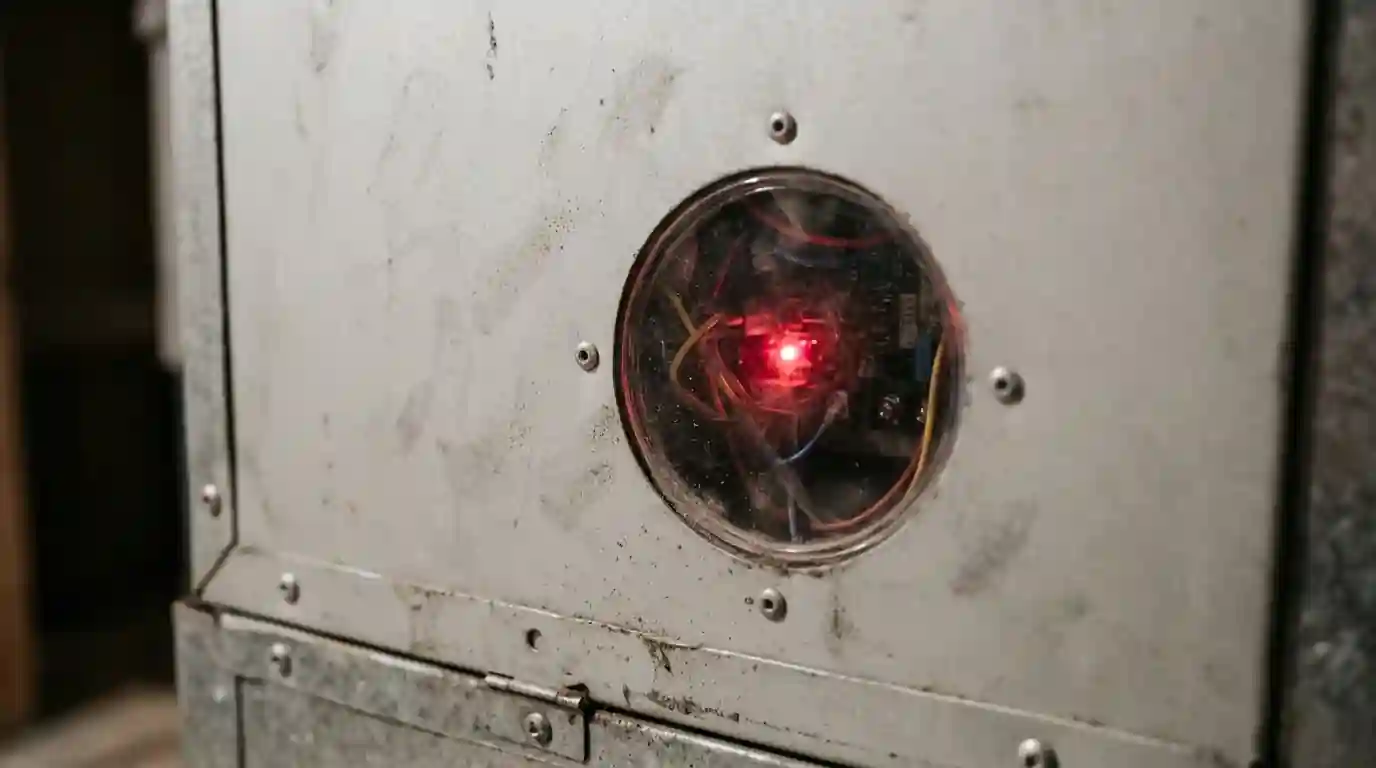
On most furnaces the control board sits behind the lower blower door, and a small clear window lets you see its LED without removing the door. If there is no window, you may need to remove the door, but remember that opening it turns off the furnace through the door switch, and that can clear the code on some boards.
Watch for a full minute. Count the number of flashes between the pauses, and note the color if the board has more than one. Many boards use a long pause and then repeat the code.
Patterns many boards share
Codes are not universal. Different brands and even different models from one brand use different meanings. That said, a lot of residential boards follow similar logic:
- Steady on or slow steady blink: power is on and the board sees no fault.
- Off: no power to the board, or a blown low voltage fuse.
- Rapid flashing: often a reversed polarity or a flame sensed when it should not be.
- Two flashes: often a pressure switch stuck closed, or a lockout after several failed tries, depending on brand.
- Three flashes: often a pressure switch that will not close, pointing to the inducer, vent or condensate drain.
- Four flashes: often an open high limit switch, usually from poor airflow or a clogged filter.
- Six or seven flashes: often an ignition lockout or flame rollout, depending on brand.
The label on your door always wins
Before trusting any general list, find the code chart printed on the inside of the blower door or on the board itself. If it is missing, the model number on the furnace's rating plate lets us look up the exact chart. Our blink code decoder is a starting point, not a replacement for your furnace's own legend.
What to do with the code
Write it down before resetting anything. Then work through the safe checks: thermostat, power switch, breaker, filter, door and outdoor vent pipes. If the code points to airflow, a new filter may solve it. If it points to ignition, flame or pressure, call us and tell the person who answers what you counted. It often tells us which part to have on the truck.
Answers
Quick questions
Does every furnace have a blinking diagnostic light?
Most gas furnaces built since the 1990s do. Older furnaces with standing pilots usually do not.
Can turning the power off erase the fault code?
On many boards yes, which is why it helps to count the blinks before resetting.